Modern mixmasters have nothing on Poverty Row movie music mavens
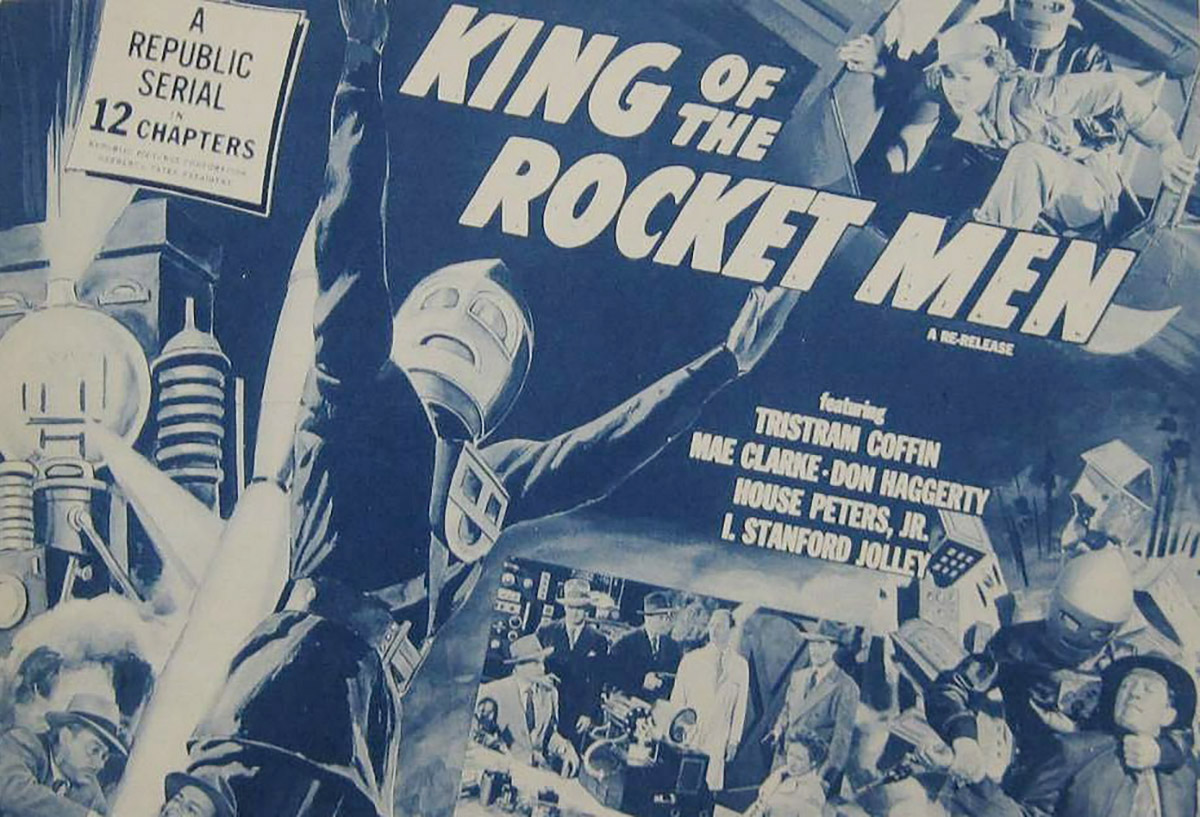
LAWRENCE — The compilation and reuse of musical snippets in producing scores for the superhero adventure is as new as the latest Marvel movie and as old as postwar Poverty Row serials like “King of the Rocket Men” (1949).
Now, for the first time, the extent of these processes at the most celebrated Hollywood serial maker, Republic Pictures, has been quantified.

Grace Edgar, assistant professor of musicology in the University of Kansas School of Music, traced the origins of every possible bit of music — nearly 16,000 fragments in all — in all 66 Republic serials made between 1936 and 1955 for her new article in the Journal of the American Musicological Society, “Waste Not, Want Not: Recycling in Republic Pictures' Serial Scores.”
Edgar said she discovered that Republic’s music department had an elaborate system for reusing music from earlier films and serials that they relied on to keep costs down. The studio also generated a surprisingly large amount of original music for a low-budget outfit.
The years of poring over archival written materials and scores, Edgar said, demonstrate the vast creativity of Republic’s composers and music editors and also illuminate an otherwise overlooked chapter of film music history.
“We can be kind of romantic in musicology about the isolated composer of an original score, working alone and coming up with their own things,” Edgar said. “And yet the truth is that for hundreds of years people have also been working in teams, and they haven't been quite so precious about their music. Throughout history, composers in many different fields have resorted to collaboration and recycling to meet deadlines.”
Edgar’s article follows these developments in film music from the (otherwise) silent era through to a case study of chapter 7 of the 12-part “King of the Rocket Men” serial, “Molten Menace.” It ends by comparing these practices to the state-of-the-art work of Hans Zimmer and his Remote Control Productions.
Keep in mind, Edgar said, that Remote Control Productions has a generous budget and a vast array of digital tools at its disposal. The Republic crew milked its music for all it was worth and more — rerecording music from older projects, splicing the resulting recordings together and matching the sounds to the action on screen. No modern mixmaster or DJ has anything on them when it comes to beat matching, the KU researcher said.
“You just have to admire them,” Edgar said. “They're so scrappy. And it’s amazing how these serials turned out so good, despite their shoestring budgets. It's really impressive. And I am hardly the only one who thinks so. Regard for their accomplishments is growing.”
Indeed, Edgar said, while doing research for the article in the Margaret Herrick Library at the Academy of Motion Picture Arts and Sciences, she ran into multi-Oscar-winning sound designer Ben Burtt (“He invented the sound of the light saber in ‘Star Wars,’” Edgar said), and they had a pleasant exchange about Republic.
Edgar’s article is full of pungent detail: Cue titles like “Pasadena Car Chase,” “Garage Fight” and “Forced Landing” as well as categories like “agitato,” “mysterioso” and “hurry.”
“The musical strategies they're using in the serial and other very low-budget productions are similar to the ways that modern action composers write today,” Edgar said. “Hans Zimmer famously has this big studio organization with a bunch of composers working there. They're all writing stuff on each other’s scores constantly. They've developed a very recognizable house style. Like the Republic composers, Zimmer and his team are dealing with compressed schedules, and they are drawing on similar strategies of collaboration and recycling to meet urgent deadlines.”
Edgar said she undertook the research “to reflect what people were actually doing in the past more accurately. We tend to remember the most expensive films of the 1930s and 1940s, but the truth is that low-budget projects outnumbered them. There’s also an important through-line to what's going on today in terms of reuse, recycling, collaborations with other people, writing multi-authored scores. That’s why I think it's important. And then also because serials are really fun and cool to watch.”